Lush green botanical background
Expert Insights for 2026

The Science of Pure Radiance.

Demystifying the chemistry of clean beauty. Welcome to the ultimate resource for evidence-based natural skincare, curated by cosmetic chemist Chloé Fournier.

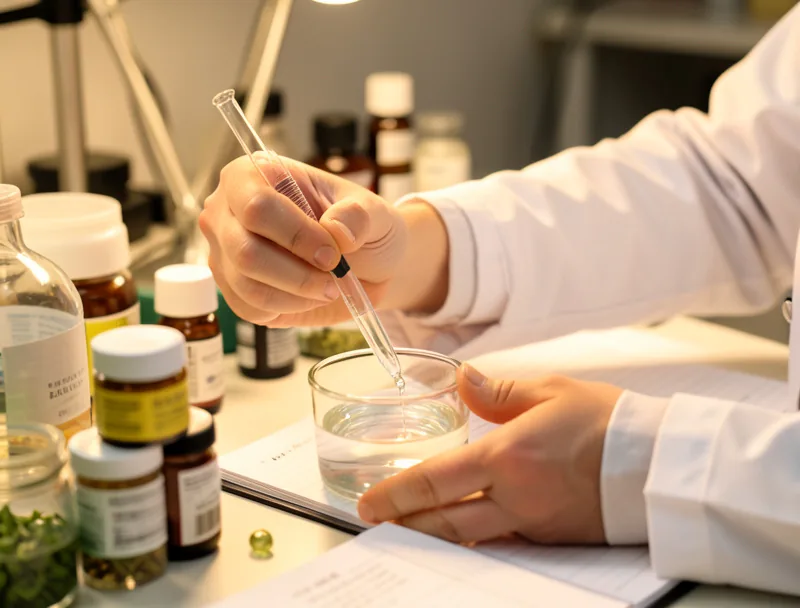
Chloé Fournier in her lab

Beyond the "Natural" Label: A Scientific Mandate

In 2026, the term "clean beauty" has evolved. It is no longer just about what is excluded from a bottle, but the biological efficacy and environmental impact of what is included. As a cosmetic chemist, my mission is to bridge the gap between traditional herbal wisdom and modern dermatological science.

The philosophy of this guide is rooted in biocompatibility. We don't just want ingredients that are "natural"; we want bioactives that the skin recognizes, absorbs, and utilizes to maintain its barrier and stimulate cellular renewal. From the molecular weight of hyaluronic acid to the chirality of vitamin C, every detail matters in the science of skincare.

10+ Years of Formulation
500+ Ingredients Analyzed

The Clean Beauty Periodic Table

Understand the functional groups of natural actives. We categorize ingredients by their primary biological role to help you build a smarter routine.

Hydrators & Humectants

Molecules that attract water into the stratum corneum. Essential for plumpness and elasticity.

  • Hyaluronic Acid: Naturally derived via fermentation.
  • Glycerin: Plant-based moisture magnet.
  • Snow Mushroom: A botanical alternative to HA.
Learn more →

Antioxidant Protectors

Vitamins and polyphenols that neutralize free radicals from UV and pollution.

  • Vitamin C (THD Ascorbate): Stable, oil-soluble.
  • Green Tea (EGCG): Potent anti-inflammatory.
  • Resveratrol: Sourced from grape skins for longevity.
Deep dive →

Regenerative Lipids

Ceramides and fatty acids that repair the skin barrier and lock in moisture.

  • Rosehip Seed Oil: Rich in Vitamin A (Retinoic Acid).
  • Squalane: Olive-derived, mimics human sebum.
  • Shea Butter: Ethical sourcing is key for texture.
Sourcing info →

Clean Beauty Compatibility Tool

Not all natural ingredients play well together. Use our simulator to check if your favorite actives are compatible.

Select two ingredients to analyze...

Expert chemist advice will appear here.

The Formulator's Perspective: Why Stability Matters

In my years working for European laboratories, I’ve seen countless "natural" products fail because the formulator prioritized marketing over molecular stability. In the Formulator's Corner, we discuss why clean beauty is often more difficult to stabilize than synthetic alternatives.

1. The pH Balancing Act

The skin's acid mantle sits at a pH of around 4.7 to 5.7. Clean products must respect this. For example, a Vitamin C serum (L-ascorbic acid) requires a low pH (below 3.5) to penetrate. However, many plant extracts become unstable at such acidity. Finding the "sweet spot" is where the art of cosmetic science lies.

2. Preservative Systems in Clean Beauty

"Preservative-free" is a dangerous marketing myth. Any product containing water must be preserved. In clean beauty, we replace parabens with nature-identical alternatives like sodium benzoate or potassium sorbate, often combined with antimicrobial peptides from fermented radish root (Leucidal Liquid).

"The goal isn't just to avoid chemicals—everything is a chemical. The goal is to avoid disruptive, poorly-sourced, or irritating synthetics while embracing the sophistication of plant chemistry." — Chloé Fournier, M.S. Cosmetic Science

3. Molecular Bioavailability

You might see "Hyaluronic Acid" on a label, but if the molecular weight is too high, it sits on the surface of your skin without penetrating. We look for multi-molecular weight formulas that provide both immediate surface hydration and deep, long-term cellular support. Learn more in our Glossary of Skincare Terms.
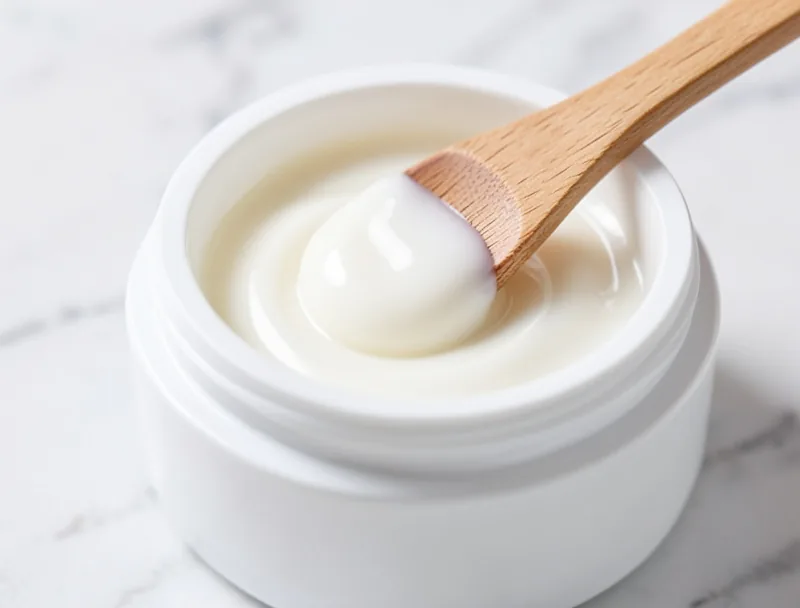
High-quality face cream texture

Rigorous Product Evaluations

We don't just "try" products. We dissect them. Our Brand & Product Reviews go beyond the packaging to analyze the first five ingredients, the ethics of the supply chain, and the efficacy of the delivery system.

  • No Greenwashing: We call out brands that use "natural" as a marketing buzzword without substantiation.
  • Dermatologist-Tested: We prioritize formulas that have undergone rigorous clinical testing.
Natural botanical extracts

Building Your Custom Routine

Whether you have reactive, oily, or mature skin, your routine should be as unique as your DNA. We provide Step-by-Step Guides that teach you how to layer ingredients for maximum absorption without causing irritation.

Did you know?

Applying your humectant (like Hyaluronic Acid) to damp skin can increase hydration retention by up to 30%.

Clean Beauty FAQ

Is "clean beauty" the same as "organic"? +
No. "Organic" refers to how ingredients are grown (without synthetic pesticides), while "Clean" refers to the overall safety profile of the finished formulation. A product can be clean but not 100% organic, and vice-versa.
Can natural ingredients really fight aging? +
Absolutely. Botanical actives like Bakuchiol have been clinically shown to mimic the effects of retinol without the irritation. Rosehip oil provides bioavailable pro-vitamin A, and polyphenols from berries are powerful defenders against collagen breakdown.
How can I avoid greenwashing? +
Always read the INCI (International Nomenclature of Cosmetic Ingredients) list. Look for transparency in sourcing and avoid brands that make vague claims like "chemical-free." Visit our Mythbusting page for more tips.
Nature texture

Ready to Elevate Your Skincare Science?

Join over 50,000 monthly readers who trust our scientific approach to natural beauty. Explore our deep-dive archives today.